Valencià
 Español
The Cathedral Church
“The Cathedral Church is the symbol and the visible home of the diocesan community presided over by the Bishop where his Seat is… in the Bishop’s Seat we discover Christ, Master, who, thanks to apostolic succession, teaches us along the times…”
John Paul in Madrid, 15 June, 1993
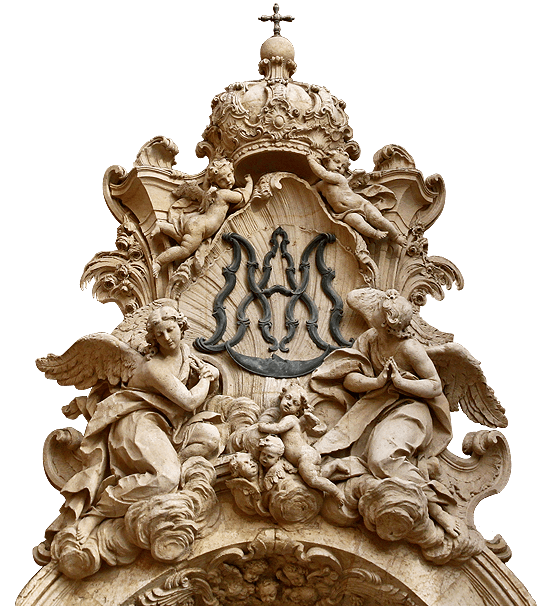
The Bishop’s Chair
The Cathedral Church, in that it is the chair of the Archbishop, is a sign of his magisterium, of his pastoral ministry and of the unity of the believers in the faith that he announces, as pastor, priest and teacher of the flock.
As a consequence, The Cathedral Church must be considered as the centre of the liturgical life of the Diocese, being revered by all the diocesans, and as the place to celebrate those ceremonies, which reflect the life of the Church of Valencia.
The building
In the subsoil of the Cathedral, which can be visited through the Museum, there is an archaeological excavation where you can see remains of a road and Roman houses, as well as Visigothic and Islamic remains.
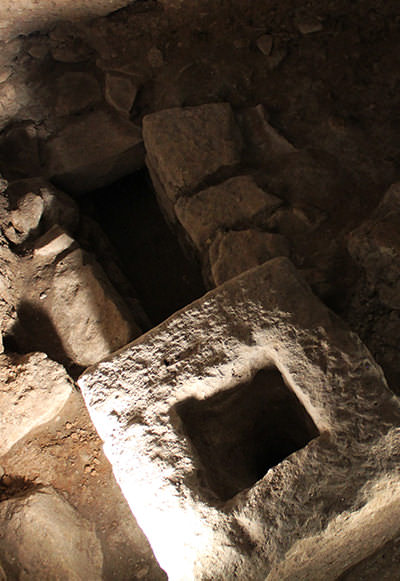
Roman street drainage system with stone drain and masonry channel
2nd century
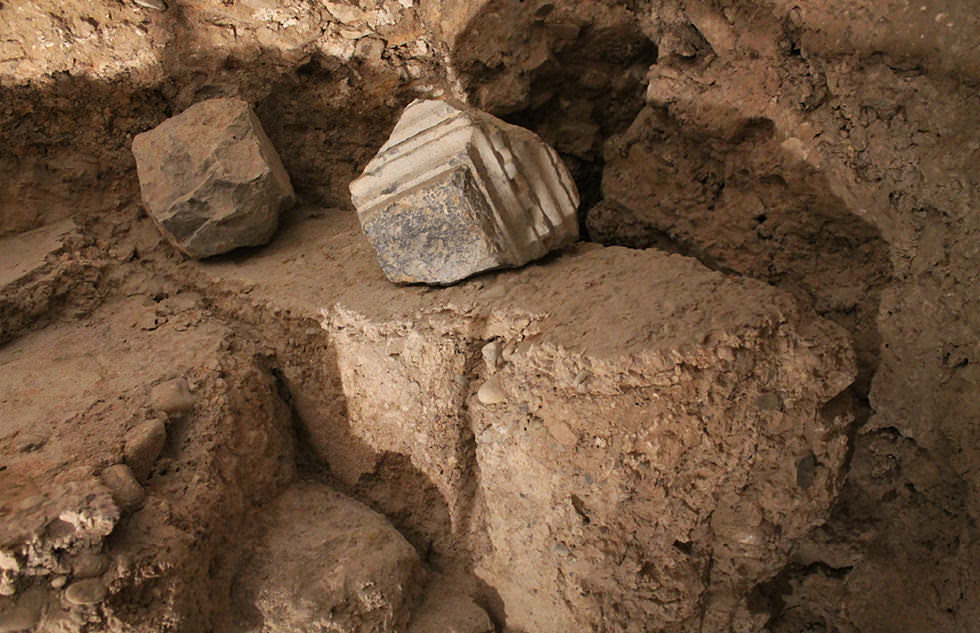
Roman house walls in the Cathedral Museum
2nd century
In the 8th century the main mosque of Balansiya, was built on its land, which served as a cathedral after the founding of the Christian Kingdom of Valencia by James I the Conqueror in 1238, and on 22nd June, 1262, Bishop Fray Andrés de Albalat O. P. put the foundation stone of the current cathedral, beginning with the late-Romanesque door of the Almoina and the ambulatory, to continue later in the Gothic style.
The floor and the naves
The central nave has a height of approximately 22 metres, while the lateral ones do not reach 16, being square sections in the central nave and the rectangular in the lateral ones. The height of the naves contrasts with the almost forty metres of the lantern tower; with this, a large, diaphanous space of 90 metres in length was achieved. The floor has a Latin cross plan, with an ambulatory and lantern tower over the transept.
The first master builder was Arnau Vidal.
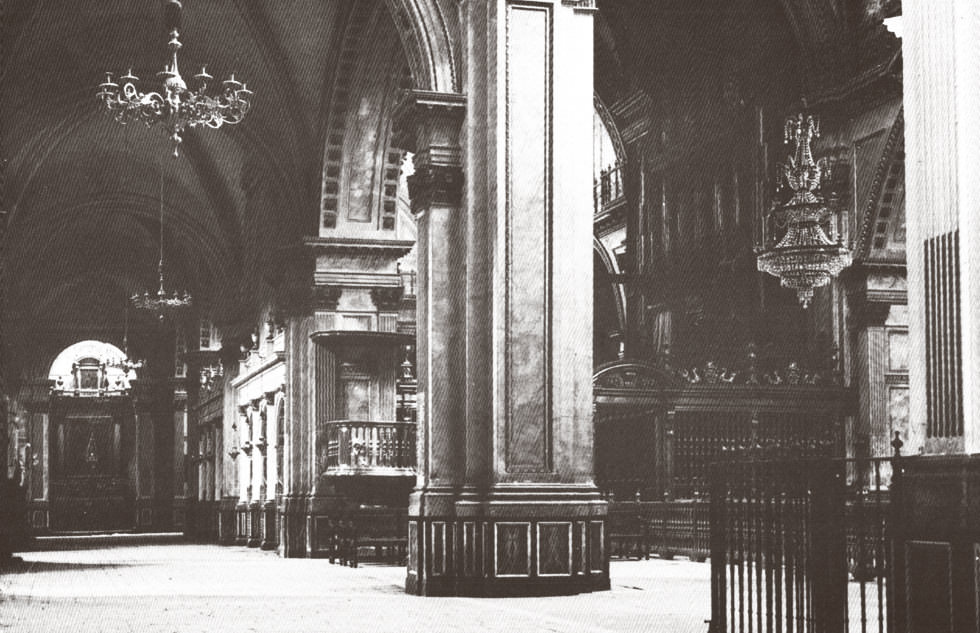
Side nave of the part of the epistle
before the alterations of 1943
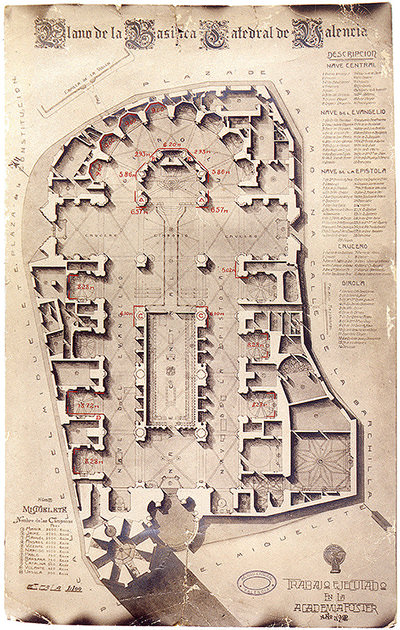
Plan of the Valencia Cathedral
Valencia Cathedral Archive
1922
14th and 15th centuries
In the 14th century the Gothic door or “apostles’ door” (started in 1300), the lantern tower, the chapter hall (the Holy Chalice chapel, started in 1356) and the bell tower called “Micalet” (1381) were built, both works under the direction of Andreu Juliá. In the following century (1458-1487), Francesc Baldomar and Pere Compte, extended the nave at the foot of a stretch, until reaching the proportions that we can contemplate today.
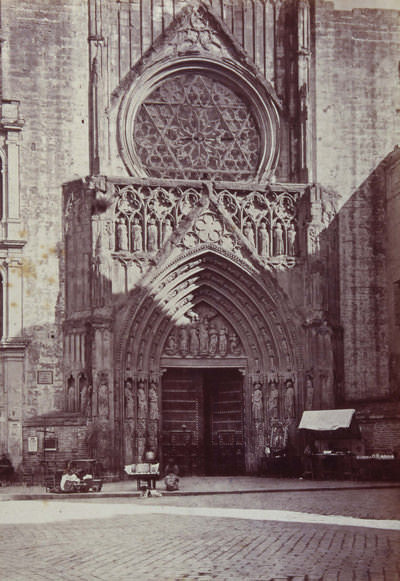
Gothic door or “of the apostles”
Nicolás de Autun
14th century (Photography: around 1870)
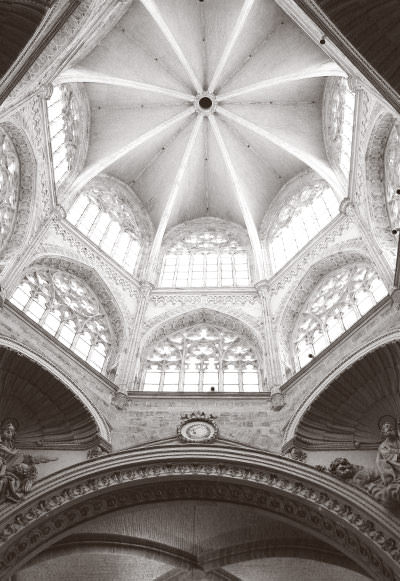
The lantern tower
Martín Lobet (attributed)
14th-15th century
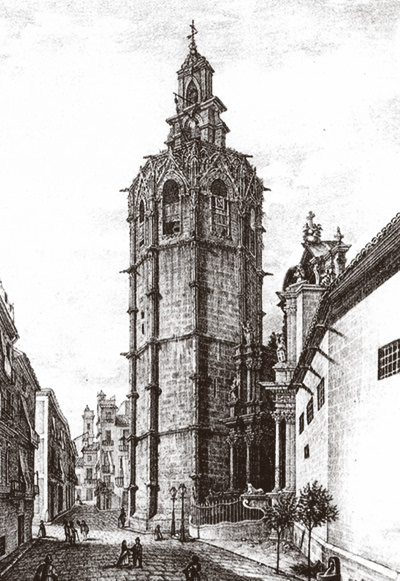
The Micalet
Andreu Juliá
14th century
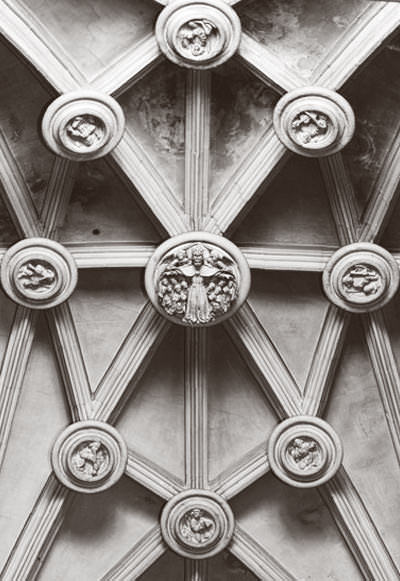
Vault of the passageway to the Holy Chalice chapel
Pere Compte
15th century
Renaissance, Baroque and Neoclassicism
The Renaissance style had one of its first evidence in Spain in our Cathedral with the decoration of the main chapel by Paolo da San Leocadio and Francesco Pagano (since 1472).
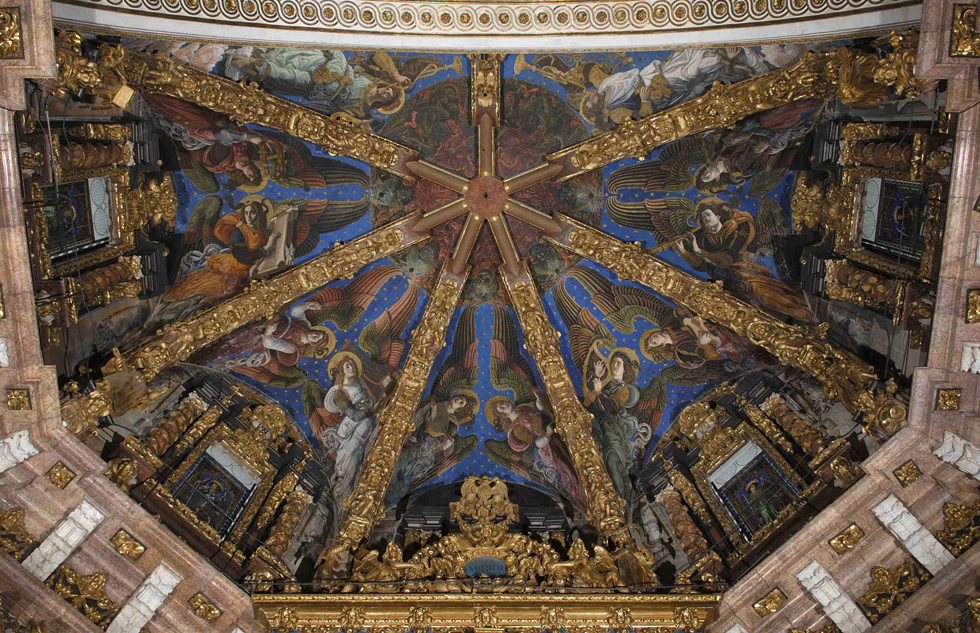
The Musician Angels
Paolo da San Leocadio and Francesco Pagano
h. 1474
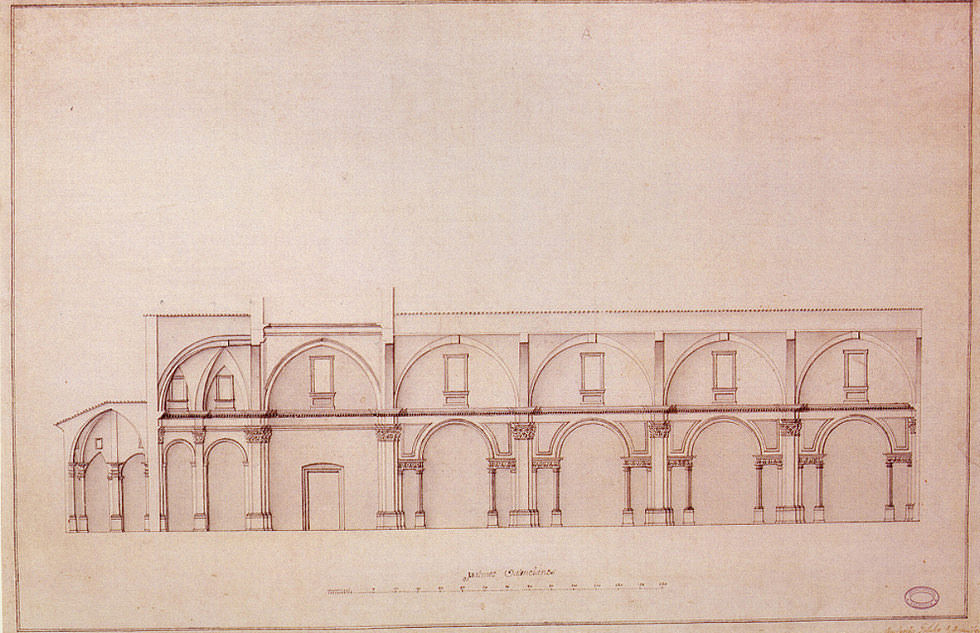
Academic renovation project of the cathedral
Antonio Gilabert
h. 1773
The silver main altarpiece with its doors and the “Lonja de los canónigos”, by Miguel Porcar, continuing the purpose of masking the Gothic style in the Baroque period (choir, “Iron” gate, designed at the beginning of the 18th century. by the Konrad Rudolf) which culminated in the 18th century., when the cathedral was covered with a neoclassical decoration, as can still be seen in the ambulatory and the side chapels, according to the design of Antonio Gilabert.
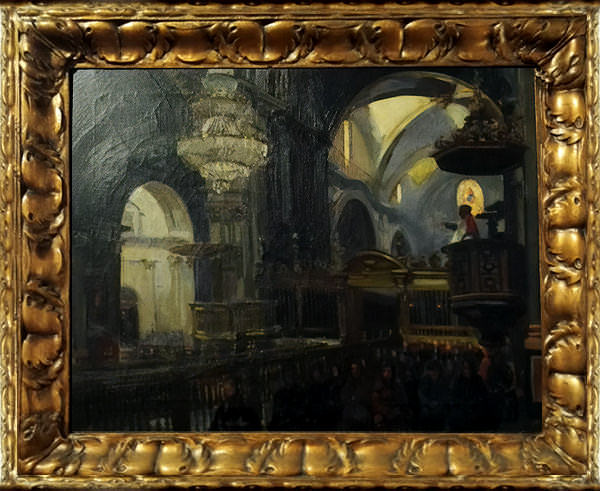
After the civil war (1936-1939)
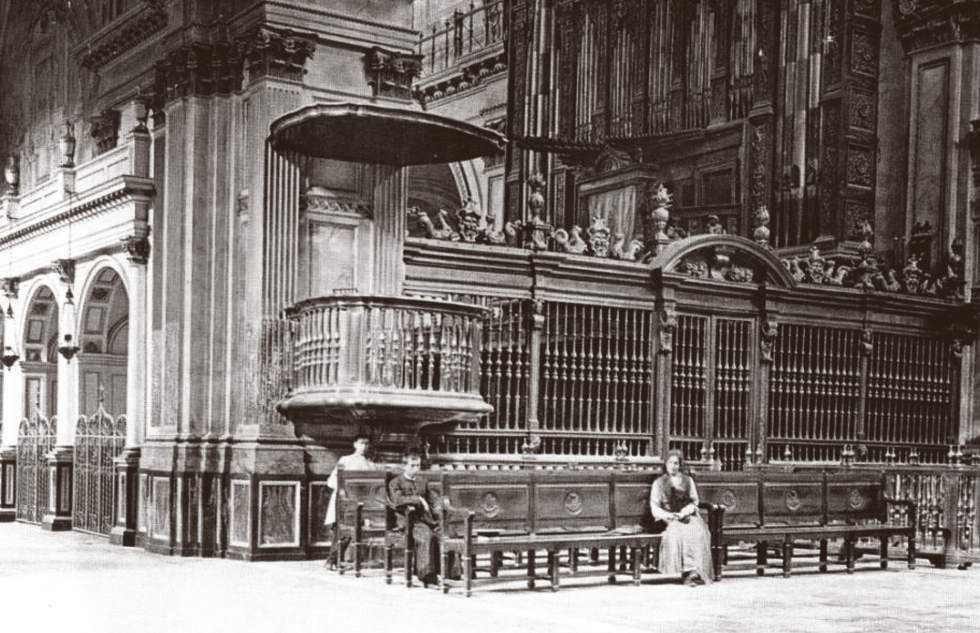
View of the choir
h. 1915
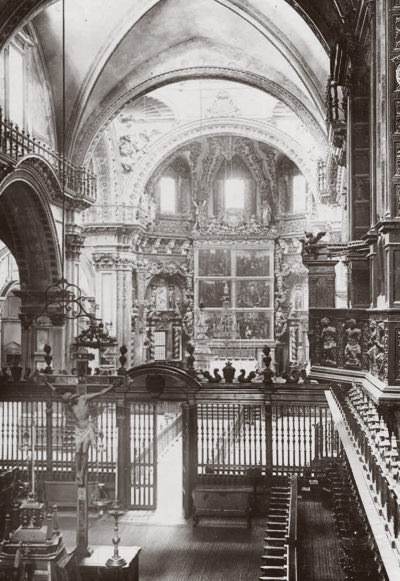
Choir and High Altar
Before the 1943 alteration
In 1943 the architect Vicente Traver arranged the choir in the apse and the high altar in the centre of the transept, and from 1974 the Gothic style of the naves of the temple were recovered, under the direction of Juan Segura de Lago, Fernando Chueca and Luís Gay.
The quality of the paintings
This cathedral is distinguished by the quality of its paintings, with signatures, among others, of the Hernandos (Fernando Yáñez de la Almedina and Fernando de Los Llanos), Vicente Macip, Juan de Juanes, José Vergara Gimeno, José Camarón, Luís Antonio Planes, Mariano Salvador Maella, Francisco de Goya (Saint Francis Borgia Chapel), Jerónimo Jacinto de Espinosa y Francisco Ribalta.
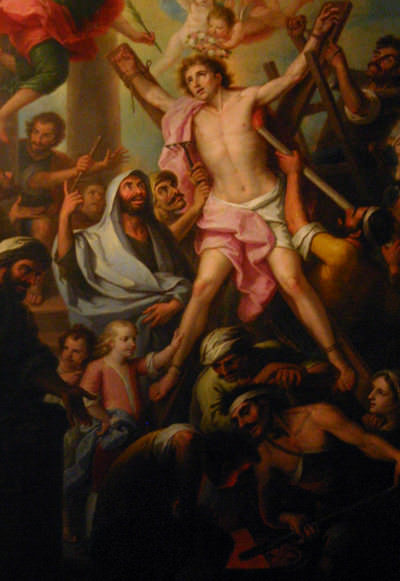
Saint Vincent’s martyrdom José Vergara
1790
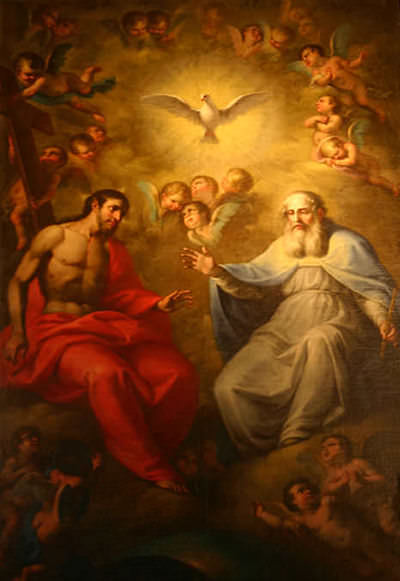
The Holy Trinity Luís Antonio Planes
18th century.
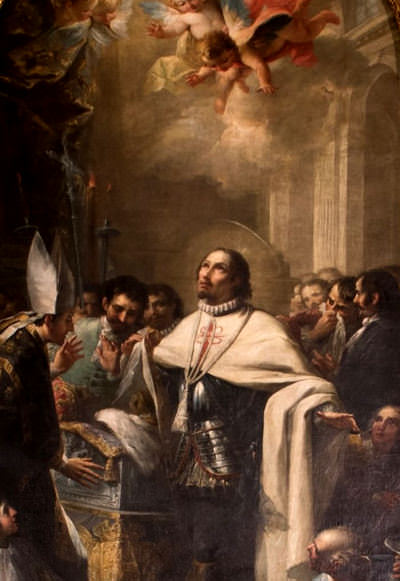
Saint Francis Borgia before the corpse of Empress Isabel Mariano Salvador Maella
Painted in 1787
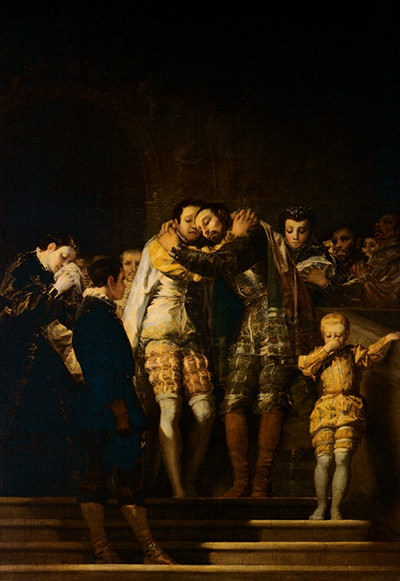
Saint Francis Borgia Francisco de Goya
Painted in 1788
From the 13th to the 21st century
all styles have left their mark on this temple.
View more on the website of the Valencia Cathedral Museum, museocatedralvalencia.com
The Museum
In the renovated Valencia Cathedral Museum, blessed on 7th June 2016, an important archeological excavation has been carried out.
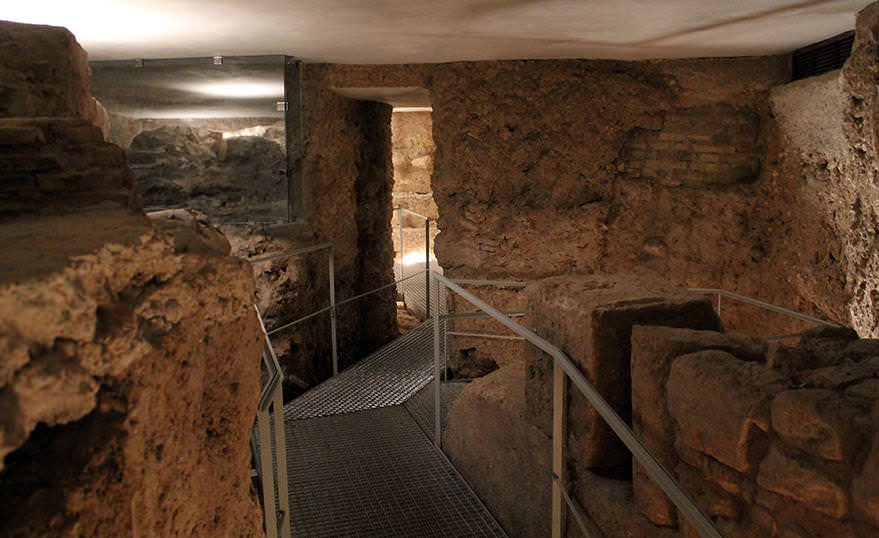
Archaeological excavation in the museum.
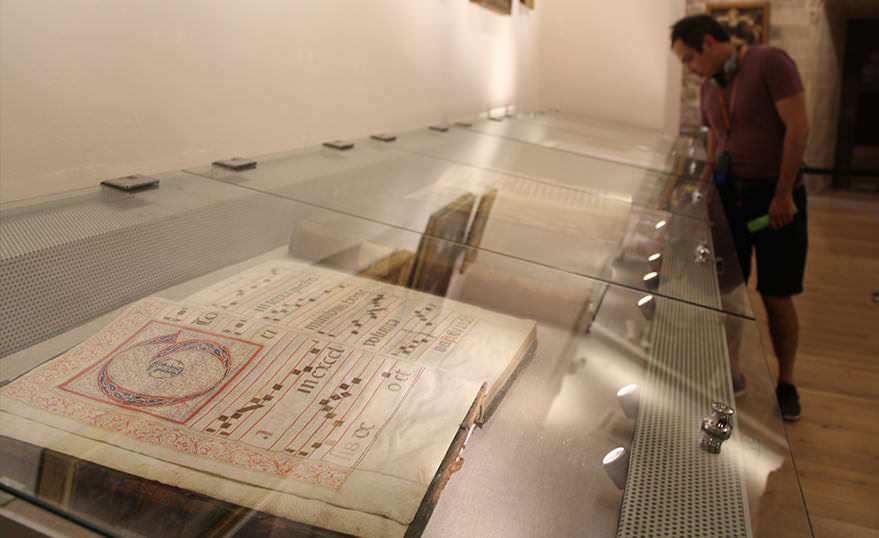
View of one of the museum halls.
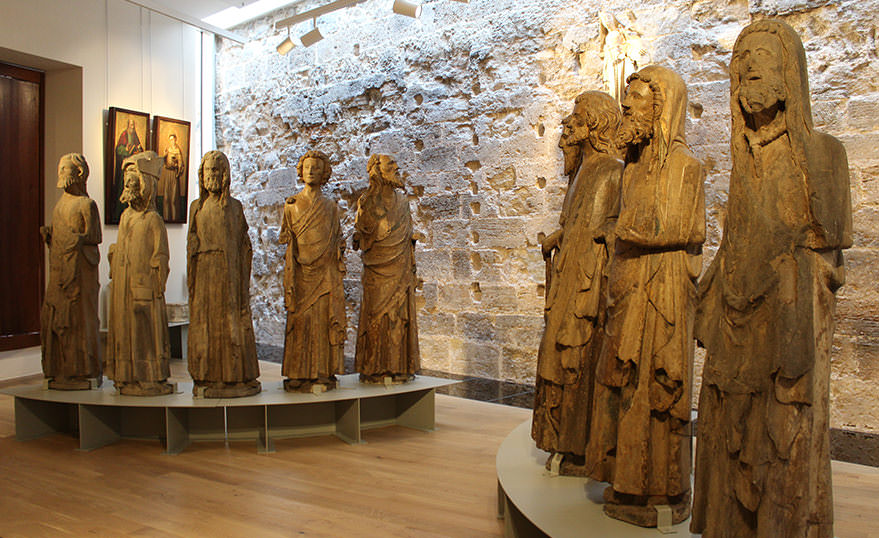
Authentic statues of the Apostles’ Door.
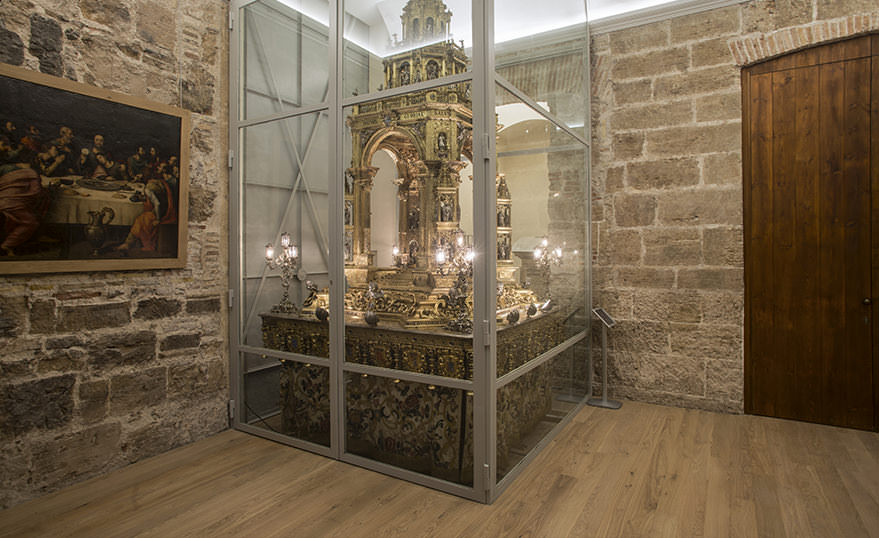
Monumental custodia of the Corpus Christi feast.
In this hall, we find the reliquary of the kings of Aragon and historical pieces of goldsmithing, the authentic statues of the Apostles’ door, paintings on panel from the 15th and 16th centuries (Marçal de Sax, Jacomart, San Leocadio, Vicente Macip and Juan de Juanes, among others), canvases by José Zapata, José Vergara Gimeno, and Vicente López de Portaña, choir books and the Monumental Custodia of the Corpus Christi feast.
View more on the website of the Valencia Cathedral Museum, museocatedralvalencia.com