 Valencià
 Español
History of the Holy Chalice
A chronology between tradition and history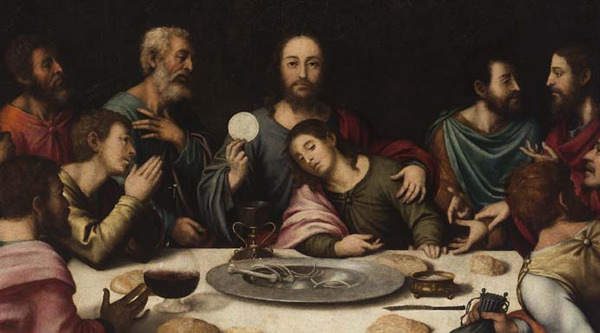
Jerusalem 1st century
Last Supper of Jesus with his apostles.
Picture: The Last Supper by Juan de Juanes (between 1555 and 1562).
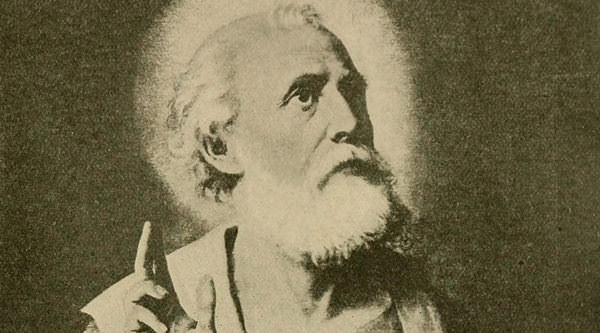
Rome 1st century
Saint Peter took the cup to Rome.
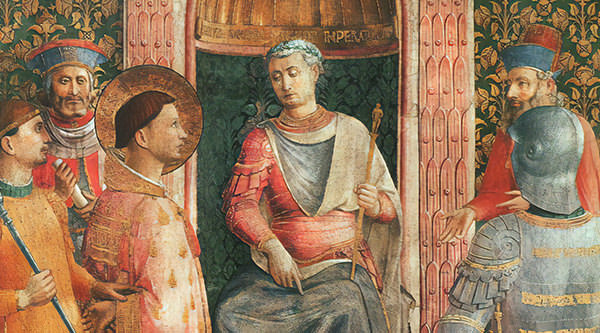
Rome 3rd century
Edict of persecution of the emperor Valerian that prohibits the Christian cult.Saint Laurence, deacon of Rome during the papacy of Sixtus II, sent the Holy Grail to Huesca.
Picture: Lorenzo before Valerian, a fresco by Fra Angelico.
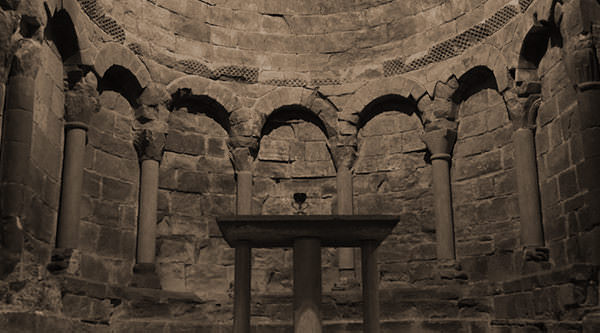
Huesca 8th century
Year 712. Due to the Muslim domination, the Holy Chalice was sheltered in different locations in the Aragonese Pyrenees, until it remained in San Juan de la Peña.
Picture: Main altar of the Monastery of San Juan de la Peña.
San Juan de la Peña 1399
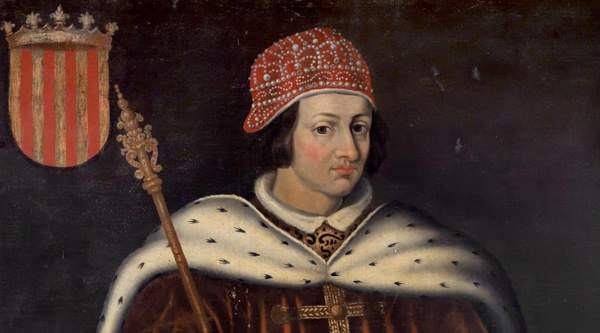
The prior of the monastery delivered the chalice to King Martin I the Human, becoming part of the Royal reliquary.
Picture: Martin I the Human.
In Zaragoza 1399 - 1410
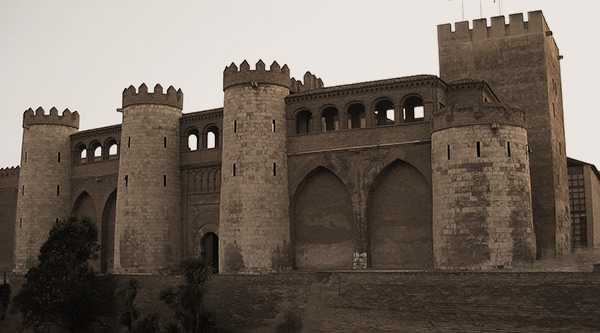
The chalice was transferred by the king to the palace of the Aljafería in Zaragoza, as it is mentioned in the inventory of the monarch.
Picture: Palace of the Aljafería in Zaragoza.
Ferdinand I of Trastámara 1412
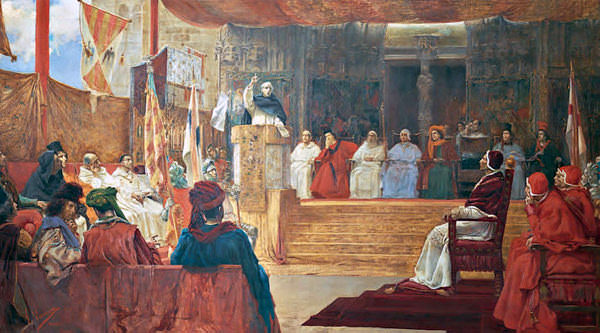
After the 1412 Compromise of Caspe, Ferdinand I of Trastamara was named King of Aragon and Valencia, in addition to other territories.
Picture: The Compromise of Caspe, Salvador Viniegra and Lasso de la Vega, 1891.
Alfonso the Magnanimous 1416
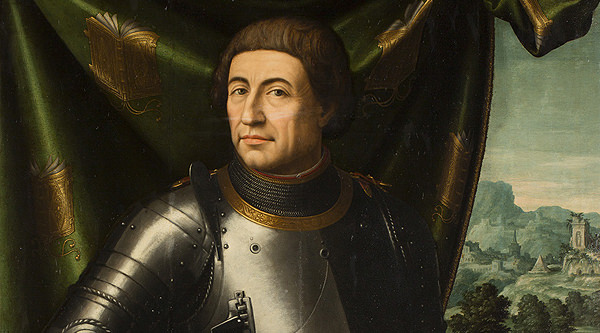
Alfonso the Magnanimous inherited the kingdom of Aragon, Valencia, Mallorca, Sicily, Sardinia and Naples, as well as the county of Barcelona.
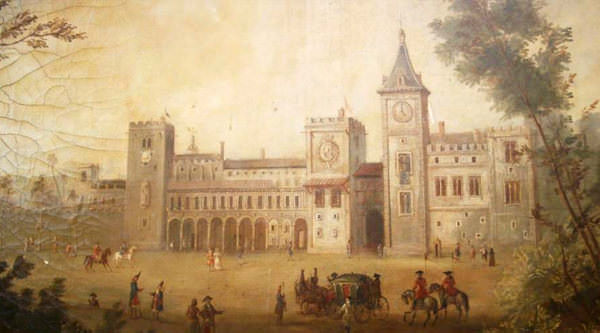
Transfer to Valencia 1432
Alfonso the Magnanimous moved the reliquary to the Royal Palace of Valencia.
Picture: Anonymous painting depicting the Royal Palace of Valencia, 19th century.
In the Valencia Cathedral 1437
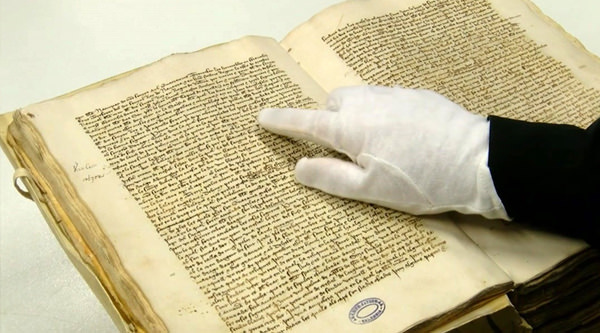
18 March. Practically all of the king’s reliquary went to the Cathedral of Valencia as a guarantee of the debt contracted with the Chapter.
Picture: Inventory of the relics of the royal reliquary of the Crown of Aragon. Valencia Cathedral Archive.
Independence War 1808 - 1813
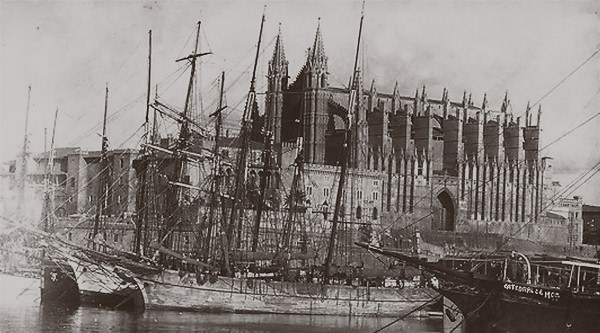
During the Independence War (1808-1813), the Holy Chalice was in Alicante (1809), Ibiza (1810) and Palma de Mallorca (1812), fleeing the looting of the Napoleonic invasion.
Back to Valencia 1813
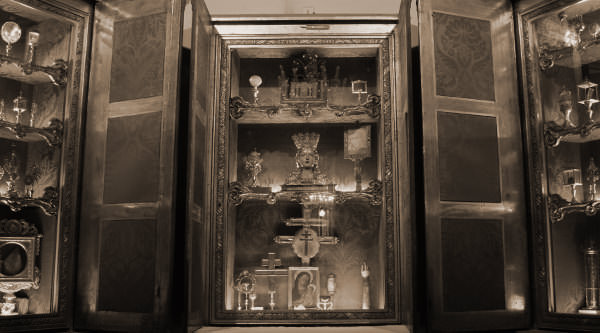
In 1813, the chalice returned to the Cathedral of Valencia.
Picture: Chapel of the relics in the Cathedral of Valencia.
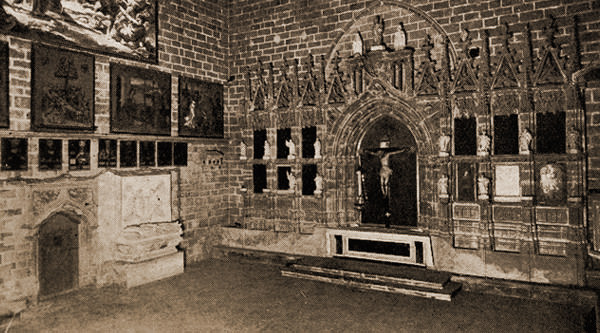
Holy Chalice Chapel 1916
The Holy Chalice was placed in the old Chapter House.
Picture: Chapter House before being the Chapel of the Holy Chalice.
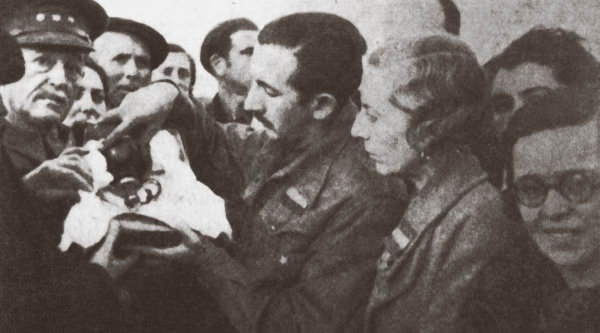
During the Spanish Civil War 1936 - 1939
The Holy Chalice remained hidden in the Valencian town Carlet, safe from desecration and religious persecution. On March 30, 1939, it returned to the Cathedral of Valencia.
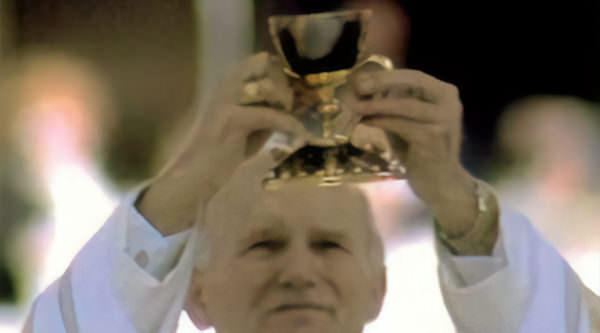
John Paul II 1982
Pope John Paul II
celebrates the Eucharist with the Holy Chalice.
Picture: John Paul II celebrates the Eucharist with the Holy Chalice.
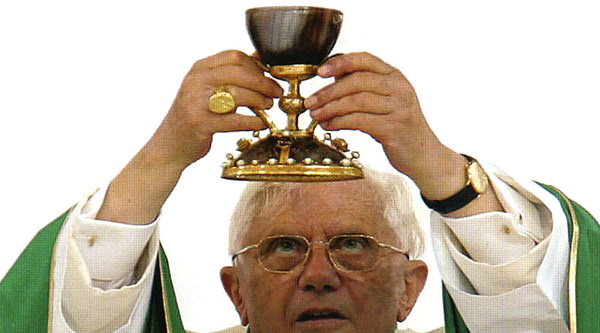
Benedict XVI 2006
Pope Benedict XV
celebrated the Eucharist with the Holy Chalice.
Picture: Benedict XVI celebrates the Eucharist with the Holy Chalice.
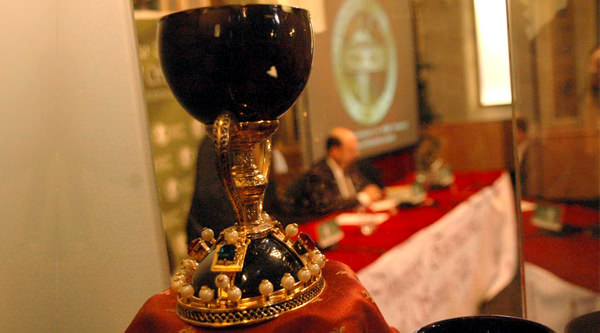
I International Congress of the Holy Chalice in Valencia 2008
November 7, 8 and 9. Under the title “Valencia, the city of the Holy Grail”, various archaeological and historical studies of the relic were presented.
Picture: I International Congress of the Holy Chalice.
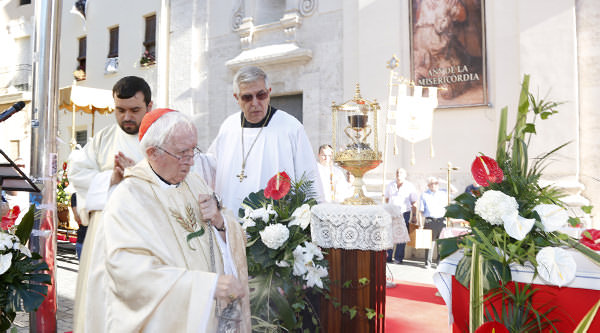
Eucharistic Year of the Holy Chalice 2015
Valencia celebrated the first Eucharistic Year of the Holy Chalice granted by Pope Francis.
Picture: The Holy Chalice in Carlet.